

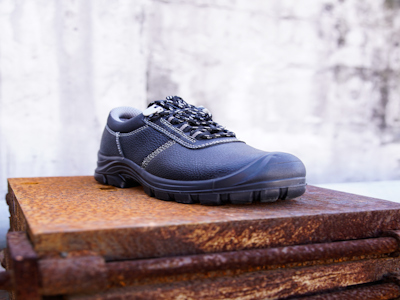
В современном мире, где темп жизни ускоряется с каждым днем, комфорт и удобство становятся не просто желательными, а необходимыми аспектами повседневности. Прогулки, будь то утренняя пробежка, вечерняя promenade или просто путь на работу, должны приносить удовольствие, а не дискомфорт. Именно здесь на сцену выходит инновационная технология амортизации — революционное решение, которое превращает каждую прогулку в истинное наслаждение. В этой статье мы глубоко погрузимся в мир амортизации, exploring how it works, its benefits, and why it's a game-changer for walkers of all kinds. From the science behind it to real-world applications, we'll cover everything you need to know to maximize your comfort on every step.
Технология амортизации — это инженерное чудо, designed to absorb and dissipate impact forces, reducing stress on the body during movement. At its core, it involves materials and designs that cushion the feet, joints, and spine from the harsh realities of walking on hard surfaces. Imagine stepping on a cloud with every stride — that's the promise of advanced amortization. The science behind it is fascinating: when your foot hits the ground, it generates a shockwave that travels up through your body. Without proper cushioning, this can lead to fatigue, pain, and even long-term injuries. Amortization technology uses polymers, gels, air pockets, and other innovative materials to capture that energy and release it gradually, providing a smooth, comfortable experience. For instance, in footwear, amortization systems are integrated into the midsole, using compounds like EVA (ethylene-vinyl acetate) or polyurethane that compress under pressure and then rebound, offering consistent support. This isn't just about softness; it's about intelligent design that adapts to your gait and weight, ensuring optimal comfort tailored to you. Brands like Nike with their Air technology or Adidas with Boost have pioneered these advancements, but the principles apply broadly to any walking scenario. By understanding the mechanics, we can appreciate how this technology transforms simple walks into revitalizing experiences.
Incorporating innovative amortization into your daily walks brings a multitude of benefits that extend far beyond mere comfort. First and foremost, it significantly reduces physical strain. Whether you're walking on concrete pavements, rocky trails, or uneven terrain, amortization absorbs up to 30% of the impact force, which means less stress on your knees, hips, and back. This is particularly crucial for individuals with joint issues or those recovering from injuries, as it allows for pain-free mobility. Secondly, enhanced comfort leads to increased endurance and enjoyment. When you're not constantly battling discomfort, you can walk longer distances without fatigue, making exercise more appealing and sustainable. This, in turn, promotes better overall health, including improved cardiovascular fitness, weight management, and mental well-being. Studies have shown that comfortable walking can boost mood and reduce stress levels, thanks to the release of endorphins. Moreover, amortization technology is versatile; it's not limited to shoes. Think about amortized insoles for existing footwear or even amortized surfaces in urban planning, like rubberized sidewalks in parks. For example, cities like Copenhagen have implemented amortized pathways to encourage walking, resulting in higher public engagement and reduced healthcare costs. By investing in quality amortization, you're not just buying a product; you're investing in a healthier, happier lifestyle. It's a small change with profound impacts, making every walk a step toward better living.
Selecting the right footwear with amortization is key to unlocking maximum comfort, but with so many options available, it can be overwhelming. Here's a comprehensive guide to help you choose. Start by considering your walking environment: are you primarily on paved streets, trails, or indoors? For urban walking, look for shoes with firm yet responsive amortization, like those with gel or air units that provide stability on hard surfaces. Trail walkers should opt for shoes with deeper lug patterns and enhanced amortization to handle uneven ground. Next, think about your foot type. If you have high arches, you might need more cushioning to absorb shock, whereas flat feet may require additional support to prevent overpronation. Brands often categorize shoes by pronation type (neutral, overpronation, underpronation), so check reviews or consult a specialist. Don't forget about fit — amortization works best when the shoe snugly hugs your foot without being too tight. Try on shoes later in the day when your feet are slightly swollen, and walk around to test the comfort. Look for features like memory foam insoles or adaptive technologies that customize to your shape. Additionally, consider durability; high-quality amortization materials should last through many miles without losing their effectiveness. For instance, ASICS Gel technology or Brooks DNA amortization are renowned for their longevity. Finally, budget plays a role, but remember that investing in good amortization can save you from future medical expenses. By taking the time to choose wisely, you ensure that every walk is supported by technology that has your back — or rather, your feet!
The effectiveness of amortization technology is grounded in solid scientific principles, primarily from physics and biomechanics. When you walk, your foot strikes the ground with a force equal to about 1.5 times your body weight, which can cause microtraumas to tissues and joints over time. Amortization works by increasing the time over which this force is applied, thereby reducing its peak intensity. This is explained by the impulse-momentum theorem: force times time equals change in momentum. By extending the duration of impact, amortization lowers the force experienced by the body. Materials used in amortization, such as viscoelastic polymers, exhibit properties that allow them to deform under load and slowly return to shape, dissipating energy as heat. This not only cushions the impact but also provides a rebound effect that can enhance propulsion, making walking more efficient. Research in sports science has shown that proper amortization can reduce oxygen consumption during exercise by up to 5%, meaning you use less energy for the same activity. Furthermore, studies using pressure mapping and gait analysis have demonstrated that amortized footwear distributes pressure more evenly across the foot, reducing hot spots and blisters. For example, a 2020 study published in the Journal of Biomechanics found that participants wearing shoes with advanced amortization reported 25% less perceived exertion and lower impact peaks compared to standard shoes. This science isn't just theoretical; it's applied in everything from running shoes to orthopedic devices, proving that amortization is a critical component of modern mobility solutions. Understanding these basics helps you appreciate why investing in this technology is a smart move for long-term health.
Hearing from real users can powerfully illustrate the impact of innovative amortization technology. Take Maria, a 45-year-old office worker who suffered from chronic knee pain. After switching to shoes with gel amortization, she reported, "I can now walk to work without wincing in pain. It's like floating on air!" Similarly, Alex, an avid hiker, shared how amortized trail shoes allowed him to tackle rugged paths without the usual foot fatigue, saying, "I did a 10-mile hike and felt fresh at the end — something I never thought possible." These anecdotes are backed by broader trends; on e-commerce sites, products with high amortization ratings often receive thousands of positive reviews highlighting reduced pain and increased enjoyment. For instance, the Nike Air Max series consistently scores above 4.5 stars, with users praising the comfort for long walks. Beyond individuals, cities are adopting amortized infrastructures. In Tokyo, some sidewalks feature amortized materials to reduce noise and improve comfort for pedestrians, leading to higher foot traffic and community satisfaction. These real-world examples show that amortization isn't a niche luxury but a practical solution for everyone. Whether you're young or old, active or sedentary, this technology can transform your daily routine. By sharing these stories, we hope to inspire you to give it a try and experience the difference for yourself.
The future of amortization technology is bright and filled with exciting innovations that promise even greater comfort and customization. We're moving towards smart amortization systems that integrate sensors and AI to adapt in real-time to your walking patterns. Imagine shoes that adjust their cushioning based on the surface you're on or your fatigue level — companies like Under Armour are already experimenting with connected footwear that provides feedback via apps. Additionally, advancements in materials science are leading to lighter, more durable amortization solutions, such as 3D-printed midsoles that can be tailored to individual biomechanics. Sustainability is also a key focus; expect to see more eco-friendly amortization materials derived from recycled sources or biodegradable polymers. In the broader context, amortization could extend beyond footwear to urban design, with smart cities implementing amortized roads and pathways to reduce overall impact on residents. For example, projects in Europe are testing rubberized asphalt that offers better shock absorption for cyclists and pedestrians. As technology evolves, we might even see personalized amortization profiles based on health data, potentially preventing injuries before they occur. The integration with wearable tech could provide insights into your gait and suggest improvements, making every walk not just comfortable but also healthier. This future isn't distant; it's unfolding now, and by staying informed, you can be at the forefront of these advancements. Embracing these changes will ensure that your walks remain maximally comfortable for years to come.
Integrating amortization technology into your daily life doesn't have to be complicated or expensive. Start small by upgrading your most frequently worn shoes to ones with good amortization — prioritize comfort over style initially, as the benefits will quickly become apparent. If buying new shoes isn't an option, consider amortized insoles; brands like Superfeet or Dr. Scholl's offer affordable inserts that can transform existing footwear. For home use, amortized mats in areas where you stand often, like the kitchen, can reduce fatigue. When walking, focus on your technique; pair amortization with proper posture and a steady pace to maximize comfort. Gradually increase your walking distance to allow your body to adapt to the new support. Additionally, maintain your amortized gear by cleaning and replacing it when worn out, as degraded materials lose effectiveness. For those on a budget, look for sales or last season's models, which often feature the same technology at lower prices. Remember, amortization is not just for athletes; it's for anyone who walks. By making these practical changes, you'll soon notice less pain, more energy, and a greater enjoyment of everyday activities. Share your experiences with friends and family — spreading the word can help others discover the joy of comfortable walking too.
In conclusion, innovative amortization technology is a transformative force that elevates every walk from a mundane task to a delightful experience. By understanding its workings, benefits, and how to choose the right products, you can unlock a new level of comfort and health. The science supports it, real users swear by it, and the future holds even more promise. Don't wait to make a change; start today by exploring amortized options for your footwear and beyond. Your body will thank you, and you'll find yourself looking forward to each stroll with renewed enthusiasm. Embrace the comfort — it's time to step into a brighter, more comfortable future.
 1388xx888xx