

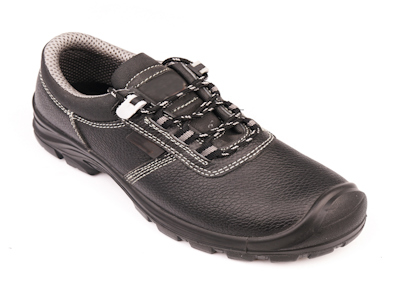
Вы когда-нибудь задумывались, существует ли та самая идеальная обувь, которая может служить вам верой и правдой как во время интенсивной тренировки, так и в повседневной жизни? В мире, где ритм жизни ускоряется с каждым днем, мы часто ищем универсальные решения, которые экономят время, деньги и усилия. Обувь – не исключение. Но действительно ли возможно найти пару, которая сочетает в себе комфорт для бега, поддержку для ходьбы, стиль для офиса и долговечность для ежедневного использования? Или это всего лишь маркетинговая уловка, предназначенная для того, чтобы заставить нас покупать больше?
Прежде чем углубляться в детали, давайте зададимся вопросом: каковы критерии идеальной обуви? Комфорт, безусловно, стоит на первом месте. Но что такое комфорт? Это амортизация, которая смягчает удары при беге, или поддержка свода стопы, предотвращающая усталость? А может, это легкость и гибкость, позволяющие ноге двигаться естественно? Для спорта обувь должна обеспечивать стабильность, сцепление с поверхностью и вентиляцию, чтобы ноги оставались сухими. В повседневности же мы ценим стиль, универсальность и возможность носить обувь с разной одеждой – от джинсов до делового костюма. Не говоря уже о долговечности: идеальная обувь должна выдерживать ежедневное использование без быстрого износа. Но разве не противоречат эти требования друг другу? Спортивная обувь часто слишком громоздка для офиса, а элегантные туфли могут быть непрактичными для пробежки. Так где же золотая середина?
Исторически обувь разрабатывалась для конкретных целей. В древности люди носили простые сандалии для защиты ног, но с развитием цивилизации появилась специализированная обувь: ботинки для работы, туфли для церемоний, кроссовки для спорта. Однако в последние десятилетия тенденция изменилась. Бренды начали создавать гибридные модели, такие как кроссовки-оксфорды или sneakers с элементами классической обуви. Это ответ на растущий спрос на универсальность. Но насколько эффективны эти гибриды? Могут ли они действительно заменить две пары обуви? Или они являются компромиссом, жертвующим either performance or style? Рассмотрим пример: беговые кроссовки с современными технологиями амортизации, такими как Nike Air или Adidas Boost, обеспечивают отличный комфорт для бега, но их спортивный дизайн может не подходить для formal events. С другой стороны, кожаные кеды или minimalist sneakers выглядят стильно, но lack the support needed for high-impact activities. Так что же выбрать: специализированную обувь для разных situations или одну универсальную пару? И если универсальная обувь существует, какие features она должна иметь?
Чтобы ответить на эти вопросы, давайте разберемся в essential features. First, materials: идеальная обувь должна быть сделана из дышащих материалов, таких как mesh или leather with perforations, чтобы prevent sweating and odors. For sports, moisture-wicking linings are crucial, while for everyday use, durability is key. Second, sole: подошва должна обеспечивать амортизацию для absorbtion shock during running, but also be flexible enough for walking. A rubber outsole with good traction is necessary for safety on wet surfaces, yet it should not be too aggressive to avoid damaging floors. Third, design: универсальный дизайн means neutral colors like black, white, or gray that can match various outfits. It should not be too sporty or too formal, but somewhere in between – think of classic sneakers or casual loafers. Fourth, fit: обувь должна иметь ergonomic design with arch support and enough room for toes to prevent blisters and foot problems. But is it possible to have all this in one shoe? Brands like Allbirds, with their wool runners, claim to offer comfort for all day wear and light exercise, but they may not suffice for serious athletes. Similarly, orthotic-friendly shoes can be great for health but might lack style. So, where do we draw the line?
Another critical aspect is foot health. Wearing inappropriate shoes can lead to issues like plantar fasciitis, bunions, or back pain. For sports, proper footwear reduces injury risk, but in everyday life, we often neglect this. Ideal shoes should promote natural foot movement, with a wide toe box and zero-drop or low-drop design to encourage better posture. However, many universal shoes compromise on these aspects for aesthetics. For instance, flat sneakers might look cool but offer little support, while cushioned running shoes can be too bulky. So, how do we balance health with convenience? Should we prioritize function over form, or is there a way to have both? Podiatrists often recommend having separate shoes for different activities, but that contradicts the idea of a single perfect pair. Perhaps the answer lies in customizable insoles or modular designs that allow us to adapt the shoe to our needs. But are such innovations available and affordable for the average consumer?
Let's not forget the role of marketing. Brands heavily promote their products as "all-in-one" solutions, but how much of it is true? For example, the rise of "lifestyle sneakers" that blend sport and fashion – are they actually good for exercise, or are they just comfortable walking shoes? Consumer reviews often reveal mixed results: some praise the versatility, while others complain about lack of support during workouts. This raises the question: is the perfect shoe a myth perpetuated by companies to drive sales? Or are there genuine advancements that make it possible? Technologies like 3D printing and smart materials are pushing boundaries, allowing for shoes that adapt to different conditions. But these are often expensive and not mainstream yet. So, for now, most of us have to choose between multiple pairs. But what if we don't have the budget or space for that? Is compromise inevitable?
Given these complexities, how can one find the closest thing to ideal shoes? Start by assessing your lifestyle: if you're mostly sedentary, a comfortable casual shoe might suffice, but if you're active, consider hybrids with good cushioning. Look for brands that specialize in crossover products, like New Balance or Skechers, which offer models designed for both light exercise and daily wear. Read reviews and try shoes in person – fit is personal and can't be judged online. Prioritize features based on your needs: if you have foot problems, opt for orthopedic options; if style is key, choose minimalist designs. Remember, no shoe is perfect for everything, but you can find one that covers 80% of your activities. And don't forget maintenance – rotating shoes can extend their life and maintain performance.
Looking ahead, the future of footwear seems promising. With advancements in biomimicry and sustainability, we might see shoes that are not only versatile but also eco-friendly. Imagine shoes made from recycled materials that self-adjust to your foot shape or climate conditions. Brands are already experimenting with AI-driven design and personalized fit through apps. However, these innovations are still in early stages. The quest for the perfect shoe continues, driven by consumer demand for simplicity and efficiency. Perhaps one day, we'll have a single pair that does it all, but until then, it's about making informed choices.
In conclusion, while the idea of perfect shoes for both sports and everyday life is appealing, it remains largely aspirational. The best approach is to find a balance – invest in quality shoes that meet most of your needs and be willing to use specialized footwear when necessary. After all, our feet deserve the best care, whether we're running a marathon or just strolling through the park. So, next time you shoe shop, ask yourself: what matters most to me? Comfort, style, health, or all of the above? The answer might lead you to your own version of ideal footwear.
 1388xx888xx