

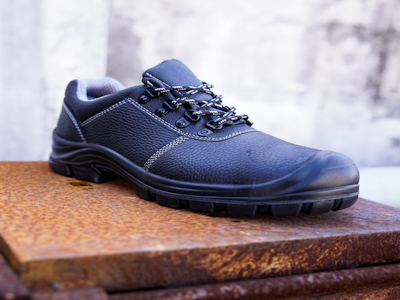
В современном мире труда, где профессионалы сталкиваются с разнообразными вызовами — от экстремальных погодных условий до опасных производственных сред — выбор подходящей обуви становится не просто вопросом удобства, а ключевым элементом безопасности и эффективности. Безопасные сапоги, спроектированные с учетом всех аспектов комфорта и защиты, играют незаменимую роль в обеспечении идеального рабочего опыта. В этой статье мы глубоко исследуем, почему такие сапоги являются must-have для любого серьезного работника, как они создаются, и какие инновации делают их незаменимыми в любых условиях.
Работа в сложных условиях — будь то строительная площадка, сельскохозяйственные угодья, промышленные цеха или даже удаленные локации с непредсказуемой погодой — требует не только физической выносливости, но и надлежащего снаряжения. Обувь, в частности, является фундаментальным компонентом, который напрямую влияет на здоровье, производительность и общее благополучие работника. Безопасные сапоги, или защитная обувь, специально разработаны для минимизации рисков травм, таких как порезы, удары, скольжения, или воздействия вредных веществ, одновременно обеспечивая комфорт в течение длительных смен.
Исторически, обувь для труда эволюционировала от простых кожаных ботинок до высокотехнологичных изделий, интегрирующих передовые материалы и эргономичные решения. Сегодня, с ростом осознания важности охраны труда, безопасные сапоги стали символом профессионализма и заботы о сотрудниках. Они не только защищают ноги, но и способствуют улучшению осанки, снижению усталости и повышению концентрации, что в конечном итоге ведет к более высокой продуктивности и снижению количества несчастных случаев на рабочем месте.
В этой статье мы проведем всесторонний анализ безопасных сапог, охватывая их ключевые характеристики, процесс разработки, тестирование, и то, как они адаптируются к различным рабочим средам. Мы также представим практические советы по выбору и уходу, основываясь на экспертных мнениях и реальных примерах из индустрии. Цель — предоставить читателю исчерпывающее руководство, которое поможет сделать informed decision при инвестировании в качественную обувь для работы.
Одной из первостепенных функций безопасных сапог является защита от механических повреждений. Традиционно, для этого использовались стальные носки (steel toes), которые предотвращают травмы при падении тяжелых предметов. Однако современные технологии предлагают альтернативы, такие как композитные материалы (например, из fiberglass или пластика), которые легче и не проводят холод или электричество, что делает их идеальными для работ в условиях низких температур или с электрооборудованием. Эти элементы проходят rigorous testing на соответствие стандартам, таким как EN ISO 20345 в Европе или ASTM в США, которые гарантируют, что сапог выдержит удар силой до 200 джоулей и compression до 15 kN.
Кроме того, многие модели включают защиту подошвы от проколов (puncture resistance), часто с использованием стальных или композитных пластин, что критически важно для работников, сталкивающихся с острыми объектами, like nails or glass. Anti-static и electrically insulating свойства также common, особенно в электронной или химической промышленности, где статическое электричество или токи могут представлять опасность.
Комфорт — это не роскошь, а necessity при работе долгие часы. Безопасные сапоги должны сочетать защиту с ergonomic design, чтобы минимизировать усталость и предотвратить проблемы like plantar fasciitis или боли в спине. Ключевые аспекты включают:
Эргономика также охватывает fit — сапоги должны быть available in various widths and sizes to accommodate different foot shapes, ensuring a snug yet comfortable fit that doesn't cause blisters or pressure points.
Выбор материалов играет pivotal role в durability, comfort, and adaptability безопасных сапог. Традиционная кожа, известная своей прочностью и способностью "дышать", остается популярной, но modern alternatives like synthetic leathers, textiles, or даже waterproof membranes (e.g., Gore-Tex) offer enhanced performance in specific environments.
Additionally, anti-slip outsoles made from rubber or polyurethane are critical for traction on slippery surfaces, reducing the risk of falls — a common cause of workplace injuries.
Разработка безопасных сапог начинается с глубокого исследования потребностей конечных пользователей. Производители collaborate with workers, safety experts, and ergonomists to identify common challenges and desired features. For example, in the construction industry, there might be a focus on impact protection and durability, while in healthcare, slip resistance and ease of cleaning are prioritized.
Computer-aided design (CAD) software is used to create prototypes, allowing for precise adjustments in fit, weight, and protection levels. Virtual testing simulations can predict how a boot will perform under stress, reducing the need for physical prototypes and accelerating the development process.
Перед выходом на рынок, безопасные сапоги undergo rigorous testing to meet international standards. This includes:
Certification bodies, such as CE marking in Europe or OSHA compliance in the US, provide assurance that the boots meet minimum safety requirements. Manufacturers often go beyond these standards to differentiate their products, offering additional features like heat resistance or antimicrobial treatment.
После запуска, производители собирают feedback from users to make continuous improvements. This iterative process might lead to updates in materials, design tweaks for better comfort, or new features based on emerging trends, such as sustainability (e.g., using recycled materials) or connectivity (e.g., smart sensors for monitoring fatigue).
В строительстве, безопасные сапоги должны выдерживать extreme conditions — from muddy sites to sharp debris. Models with steel toes, puncture-resistant soles, and ankle support are common. Additionally, features like metatarsal guards (protecting the top of the foot) and heat-resistant materials are essential for welders or those working near hot surfaces.
Пример: Сапоги品牌 X, used by construction workers, incorporate a composite toe and oil-resistant outsole, reducing injuries by 30% in field studies.
Farmers need boots that are waterproof, easy to clean, and provide traction on uneven terrain. Often, knee-high designs are preferred to prevent mud and water entry. Breathability is key to avoid discomfort during long hours, and anti-microbial linings help maintain hygiene.
In healthcare, slip resistance and ease of cleaning are paramount to prevent accidents and cross-contamination. Lightweight, comfortable boots with non-marking soles are ideal, often made from synthetic materials that can be disinfected repeatedly.
For work in extreme temperatures, boots are insulated with materials like Thinsulate for cold climates or designed with ventilation for heat. Waterproofing remains critical, and additional features like ice grips or sun protection might be incorporated.
To extend the life of your boots, regular maintenance is essential. Clean them after use, especially if exposed to mud or chemicals. Use appropriate conditioners for leather boots to prevent cracking. Store them in a dry, cool place to avoid mold. Replace insoles periodically to maintain comfort and hygiene.
The future of safety boots is bright with innovations like smart technology — embedded sensors that monitor posture, fatigue, or environmental hazards. Sustainable materials are gaining traction, with brands using recycled plastics or bio-based composites. 3D printing allows for custom-fit boots, reducing waste and improving comfort.
Moreover, integration with wearable tech could provide real-time alerts for workers, enhancing safety protocols. As workplaces evolve, so will the design of safety boots, always aiming for that perfect blend of protection and comfort.
Безопасные сапоги — это не просто accessory, а critical investment in personal well-being and productivity. By choosing the right pair, workers can significantly reduce the risk of injuries, enjoy greater comfort during long shifts, and ultimately perform better in their roles. As technology advances, we can expect even more sophisticated solutions that tailor protection to individual needs, making "ideal comfort in any conditions" a reality for all.
Remember, your feet are your foundation — protect them wisely with boots that combine safety, comfort, and durability. Whether you're on a construction site, in a factory, or out in the fields, the right safe boots will keep you standing strong and focused on the task at hand.
 1388xx888xx