

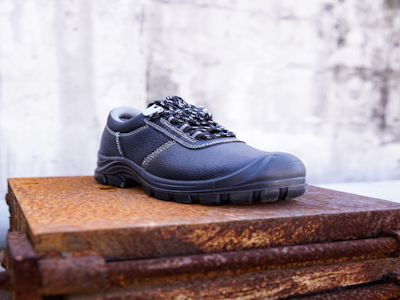
В современном мире обувь стала неотъемлемой частью нашей повседневной жизни. Мы носим её для защиты, комфорта и стиля, но часто забываем о её глубоком влиянии на здоровье наших ног. Ноги — это основа нашего тела, и неправильный выбор обуви может привести к серьезным проблемам, таким как боли, деформации и даже хронические заболевания. В этой статье мы подробно исследуем, как обувь воздействует на здоровье ног, развеем распространенные мифы и предложим практические рекомендации для поддержания оптимального состояния ваших ступней.
Здоровье ног часто недооценивается, пока не возникают проблемы. Ноги承受着 весь вес тела, и ежедневно они подвергаются значительным нагрузкам. Обувь играет ключевую роль в распределении этого давления, обеспечивая амортизацию, поддержку и защиту. Однако многие люди выбирают обувь based on fashion trends rather than functionality, leading to issues like plantar fasciitis, bunions, or arch pain. Understanding the true impact of footwear is essential for prevention and long-term well-being. This article will delve into the anatomy of the foot, the science behind shoe design, common mistakes in shoe selection, and how to make informed choices for healthier feet.
Чтобы понять, как обувь влияет на здоровье, сначала нужно разобраться в структуре ноги. Нога состоит из 26 костей, 33 суставов, и более 100 мышц, связок и сухожилий. These components work together to provide balance, movement, and shock absorption. The arch of the foot, for instance, acts as a natural spring, reducing impact during walking or running. When shoes do not support this natural structure, it can lead to overpronation or supination, causing strain on the knees, hips, and back. Proper footwear should mimic the foot's natural shape, allowing for flexibility and adequate space. For example, shoes with a wide toe box prevent crowding of the toes, which can avoid conditions like hammertoes or ingrown toenails. Additionally, the sole should provide cushioning to absorb shocks, especially for activities like running or standing for long periods.
Обувь может быть как другом, так и врагом для ног. С одной стороны, хорошо designed shoes offer protection from environmental hazards, improve traction, and enhance performance in sports. They can correct minor alignment issues through orthotic inserts or specialized designs. On the negative side, ill-fitting shoes are a major culprit behind foot problems. High heels, for instance, shift the body's weight forward, increasing pressure on the balls of the feet and leading to metatarsalgia or bunions. Flat shoes without arch support can cause plantar fasciitis due to lack of cushioning. Even popular styles like flip-flops provide minimal support and can alter gait patterns, resulting in long-term issues. It's crucial to balance style with functionality; for example, opting for shoes with removable insoles allows for customization based on individual needs. Regular wear of unsupportive shoes can accelerate wear and tear on joints, contributing to arthritis or other degenerative conditions.
В обществе существует множество misconceptions about footwear. One common myth is that expensive shoes are always better for health. While quality often correlates with better materials and construction, price alone doesn't guarantee suitability; it's the fit and design that matter most. Another myth is that breaking in new shoes is necessary and painful. In reality, shoes should feel comfortable from the start; if they cause discomfort, they might not be the right choice. Some believe that going barefoot is always healthier, but this isn't true for everyone—especially on hard surfaces, where lack of protection can lead to injuries. Additionally, there's a misconception that orthotics are only for people with severe problems, but they can benefit anyone by providing extra support. Debunking these myths helps consumers make smarter choices and avoid unnecessary suffering.
Choosing the right shoes involves several key factors. First, always measure your feet later in the day when they are slightly swollen, as this ensures a better fit. Consider the activity: running shoes need more cushioning, while dress shoes should prioritize comfort over style. Look for shoes with a firm heel counter to stabilize the foot, a flexible sole for natural movement, and adequate arch support. Materials matter too; breathable fabrics like leather or mesh prevent moisture buildup and reduce the risk of fungal infections. Try shoes on with the socks you plan to wear and walk around to test for any pressure points. Don't be swayed by sizes alone; different brands vary, so focus on how the shoe feels. For those with specific conditions, consulting a podiatrist for custom recommendations can be invaluable. Remember, investing in good shoes is an investment in your overall health.
Preventive care through proper footwear can save you from future ailments. Shoes that support the arch and provide cushioning help prevent plantar fasciitis, a common condition characterized by heel pain. For individuals with diabetes, specialized shoes are essential to avoid ulcers and infections due to reduced sensation. Athletic shoes with shock absorption reduce the risk of stress fractures during high-impact activities. Even everyday wear should include features like non-slip soles to prevent falls, especially in older adults. Regular rotation of shoes allows them to air out and maintains their supportive properties longer. By prioritizing footwear that addresses potential issues, you can maintain mobility and avoid costly medical treatments down the line.
В заключение, обувь оказывает profound impact on foot health, influencing everything from daily comfort to long-term well-being. By understanding the anatomy of the foot, recognizing the effects of different shoe types, and debunking common myths, you can make informed decisions that promote healthier feet. Always prioritize fit and function over fashion, and don't hesitate to seek professional advice if needed. Your feet carry you through life—give them the care they deserve with the right footwear. Remember, small choices today can prevent big problems tomorrow. Stay informed, stay comfortable, and keep stepping forward with confidence.
Для дополнительной информации, проконсультируйтесь с ортопедом или специалистом по обуви. Здоровье ног — это инвестиция в ваше overall quality of life.
 1388xx888xx