

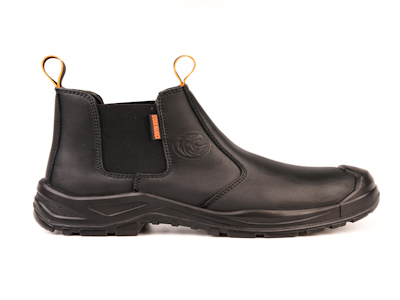
В современном мире безопасность и комфорт становятся ключевыми аспектами при выборе обуви. Особенно актуально это в условиях изменчивой погоды, когда скользкие поверхности представляют серьезную угрозу для здоровья. Уникальные плоские подошвы, разработанные с использованием передовых технологий, предлагают эффективное решение против скольжения в любую погоду. В этой статье мы подробно исследуем, как такие подошвы работают, их преимущества, технологии производства и практические рекомендации по выбору. Мы углубимся в историю развития антискользящих материалов, проанализируем современные инновации и представим экспертные мнения, чтобы помочь вам сделать informed decision при покупке обуви.
Скольжение на обуви – это не просто неудобство, а реальная опасность, которая может привести к травмам, переломам и даже летальным исходам. Согласно статистике Всемирной организации здравоохранения, падения являются второй по значимости причиной случайных смертей во всем мире. В зимний период или во время дождя риск увеличивается многократно. Например, в России, где зимы часто сопровождаются гололедом, ежегодно регистрируются тысячи случаев падений, связанных с неподходящей обувью. Это подчеркивает важность разработки и использования обуви с антискользящими свойствами.
Традиционная обувь с гладкими подошвами, особенно на плоской основе, часто fails to provide adequate grip на мокрых или заледенелых поверхностях. Это связано с недостаточным трением между подошвой и землей. Уникальные плоские подошвы address this issue путем интеграции специальных рисунков, материалов и технологий, которые enhance friction и предотвращают unintentional slides. В следующих разделах мы рассмотрим, как именно достигается этот эффект.
Развитие антискользящих подошв имеет богатую историю, начавшуюся с простых методов, таких как добавление шипов или резиновых вставок. В early 20th century, с ростом urbanization и улучшением дорожных условий, производители обуви began to experiment с различными материалами. Например, в 1920-х годах появились первые резиновые подошвы, которые offered better grip compared to leather. Однако они still were not optimal для экстремальных условий.
В 1970-х годах, с advent of synthetic materials like polyurethane и thermoplastics, anti-slip technology сделала significant leap. Компании like Vibram introduced подошвы с specialized lug patterns, которые увеличивали surface area и улучшали сцепление. С годами, innovations in material science, такие как использование micro-sipes и hydrophilic compounds, позволили создать подошвы, которые adapt to various surfaces. Сегодня, с помощью computer-aided design и testing, производители могут optimize подошвы для максимальной эффективности в любую погоду.
Уникальные плоские подошвы против скольжения rely on several key principles to ensure safety. First, the tread pattern plays a crucial role. Unlike smooth soles, these soles feature deep grooves, sipes, and lugs that create multiple edges for gripping surfaces. The pattern is designed to channel water, snow, or mud away from the contact area, reducing hydroplaning and improving traction. For instance, a herringbone or hexagonal pattern is common because it provides omnidirectional grip.
Second, the material composition is vital. Modern anti-slip soles are made from compounds that offer high friction coefficients. Materials like carbon rubber, which contains carbon black for durability and grip, or specialized rubber blends with silica, provide excellent traction on wet and dry surfaces. Additionally, some soles incorporate hydrophilic materials that absorb water to create a suction effect, further enhancing grip. Testing in laboratories simulates various conditions, such as wet tiles or icy roads, to ensure the soles meet safety standards like ISO 13287 for slip resistance.
Third, the flat design of these soles contributes to stability. A flat sole distributes weight evenly, reducing the risk of rolling ankles or losing balance. This is particularly important for activities like hiking or everyday walking in urban environments. Combined with flexibility, which allows the sole to conform to uneven surfaces, these features make flat anti-slip soles highly effective.
Использование обуви с уникальными плоскими подошвами против скольжения offers numerous benefits beyond just safety. Let's explore some of the key advantages:
These benefits make anti-slip flat soles a smart choice for various demographics, including older adults, workers in hazardous environments, and outdoor enthusiasts.
The production of anti-slip soles has evolved significantly with advancements in technology. Computer-aided design (CAD) allows engineers to create intricate tread patterns that maximize grip. For instance, finite element analysis (FEA) is used to simulate how the sole interacts with different surfaces under various forces, optimizing the design before manufacturing.
Material innovations have also played a pivotal role. Nano-technology has enabled the development of soles with micro-textures that increase surface area and friction. Some companies use graphene-infused rubber, which is not only stronger but also provides exceptional grip on ice. Another innovation is the use of temperature-responsive materials that become softer in cold conditions, improving flexibility and traction on icy surfaces.
Manufacturing processes like injection molding and compression molding ensure consistency and precision in sole production. Additionally, sustainability is becoming a focus, with brands using recycled materials or bio-based rubbers to reduce environmental impact. For example, some soles are made from natural rubber or recycled tires, combining eco-friendliness with performance.
Testing and certification are critical aspects. Organizations like the European Committee for Standardization (CEN) have established protocols for slip resistance testing. Soles are tested on surfaces with different coefficients of friction, and those that pass are labeled with ratings such as SRC (Slip Resistance Code) for safety shoes. This ensures that consumers can trust the anti-slip claims of their footwear.
Choosing the right footwear with anti-slip soles can be daunting, but following these practical tips can help:
By considering these factors, you can select footwear that keeps you safe and comfortable in any weather.
Several brands have excelled in producing footwear with unique flat anti-slip soles. For instance, Vibram, known for its FiveFingers technology, offers soles with exceptional grip patterns that are used in hiking boots and casual shoes. Their Megagrip compound is specifically designed for wet and rocky surfaces, providing confidence to outdoor adventurers.
Another notable brand is Merrell, which incorporates Vibram technology into their shoes. Models like the Moab series feature flat soles with aggressive lugs that prevent slipping on trails. In the workwear sector, brands like Timberland PRO offer shoes with anti-slip soles that meet occupational safety standards, ideal for construction sites or kitchens.
For everyday use, Skechers has developed memory foam soles with anti-slip properties, combining comfort and safety. Their designs often include flexible outsoles that adapt to movements, reducing the risk of accidents. Additionally, luxury brands like ECCO integrate anti-slip technology into stylish dress shoes, proving that safety doesn't have to compromise fashion.
These examples demonstrate how innovation and consumer demand have driven the market towards safer footwear options. By choosing reputable brands, consumers can enjoy the benefits of advanced anti-slip technology.
The future of anti-slip soles looks promising with ongoing research and development. One emerging trend is the integration of smart technology. For example, soles with embedded sensors could monitor grip levels and alert wearers to slippery conditions via a smartphone app. This would be particularly useful for elderly individuals or those with mobility issues.
Another area of innovation is in biodegradable materials. As sustainability gains importance, companies are exploring soles made from plant-based polymers that decompose naturally without sacrificing performance. Additionally, 3D printing technology allows for customized sole designs tailored to individual foot shapes and walking patterns, enhancing both comfort and safety.
Advancements in material science may lead to soles that change properties based on environmental conditions. Imagine a sole that becomes stickier when it detects moisture or temperature drops. Such adaptive technology could revolutionize footwear safety.
Market trends indicate growing awareness of slip-related risks, driving demand for anti-slip footwear. With an aging global population and increasing urbanization, the need for reliable traction will only intensify. Brands that invest in R&D and consumer education are likely to lead the market in the coming years.
В заключение, уникальные плоские подошвы против скольжения представляют собой significant advancement в области безопасности обуви. Их ability to provide reliable traction в любую погоду делает их indispensable для modern life. От historical developments до cutting-edge innovations, эти подошвы evolved to meet the challenges of slippery surfaces. By understanding the principles behind them, consumers can make informed choices that protect their health and enhance their daily experiences.
Investing in footwear with anti-slip soles is not just a matter of convenience; it is a proactive step towards preventing injuries and promoting overall well-being. As technology continues to advance, we can expect even more effective and sustainable solutions. Remember, safety should always be a priority when selecting footwear – because every step counts.
We encourage readers to share their experiences with anti-slip shoes and stay updated on the latest trends. Together, we can create a safer environment for everyone, regardless of the weather conditions.
 1388xx888xx